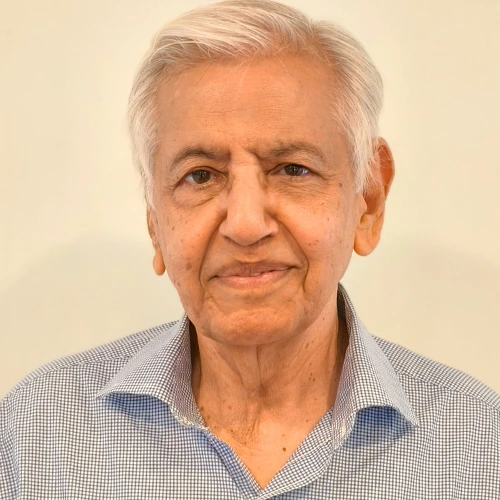
Lineage ArchiveThere is more depth in yoga than you have been able to reach.Srivatsa Ramaswami
Vinyasa Krama Intensive in Salt Lake City · September 22 to October 7, 2025100 hours of Vinyasa Krama
with Srivatsa Ramaswami.
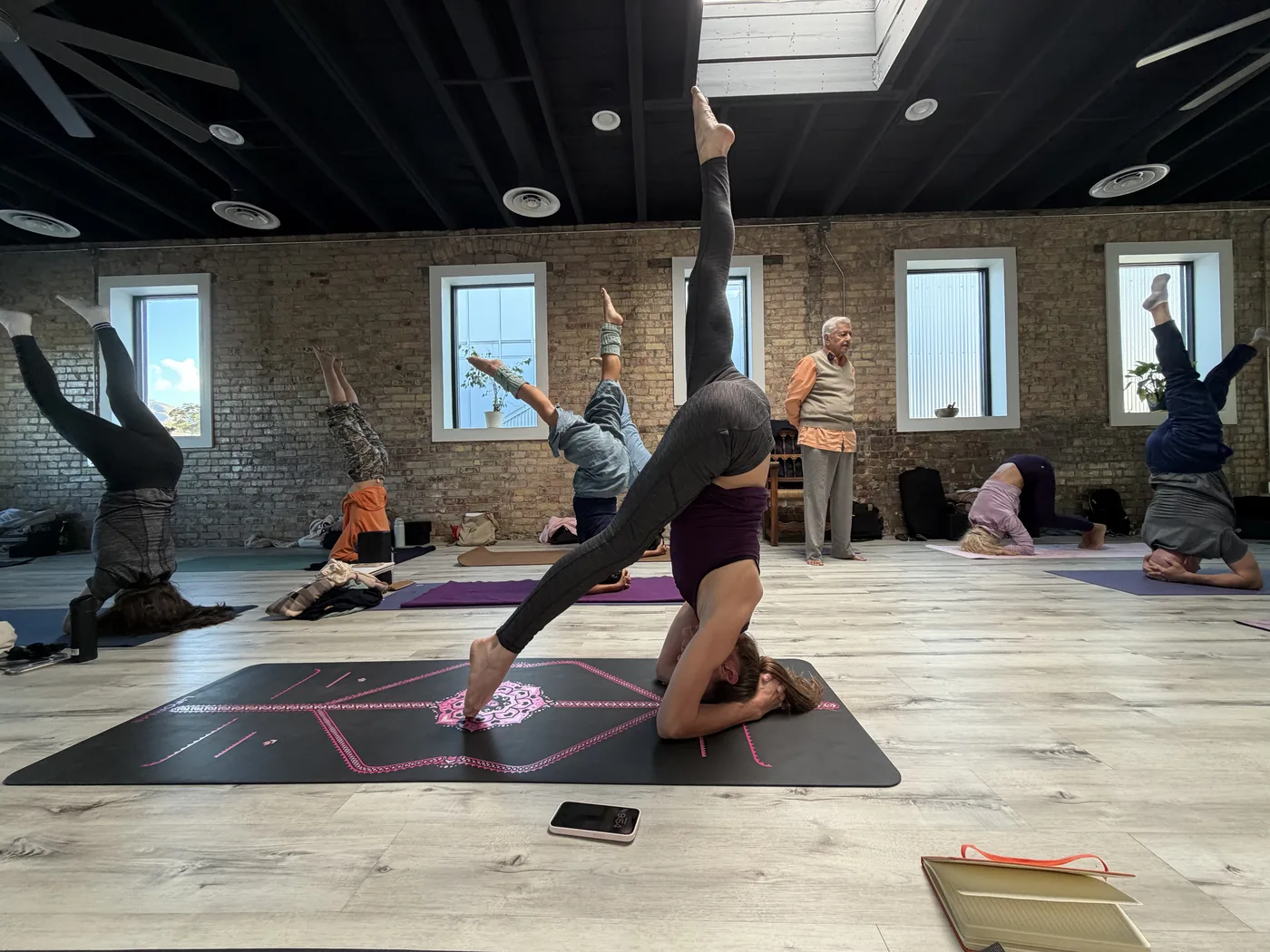
If you have practiced long enough to want to know where any of this actually came from, this is the teaching you have been looking for. In the autumn of 2025 we hosted one of the most respected living students of Sri T. Krishnamacharya for a sixteen-day intensive in Salt Lake City. This page is the record of that teaching, and of the lineage YogaSoul carries because of it.
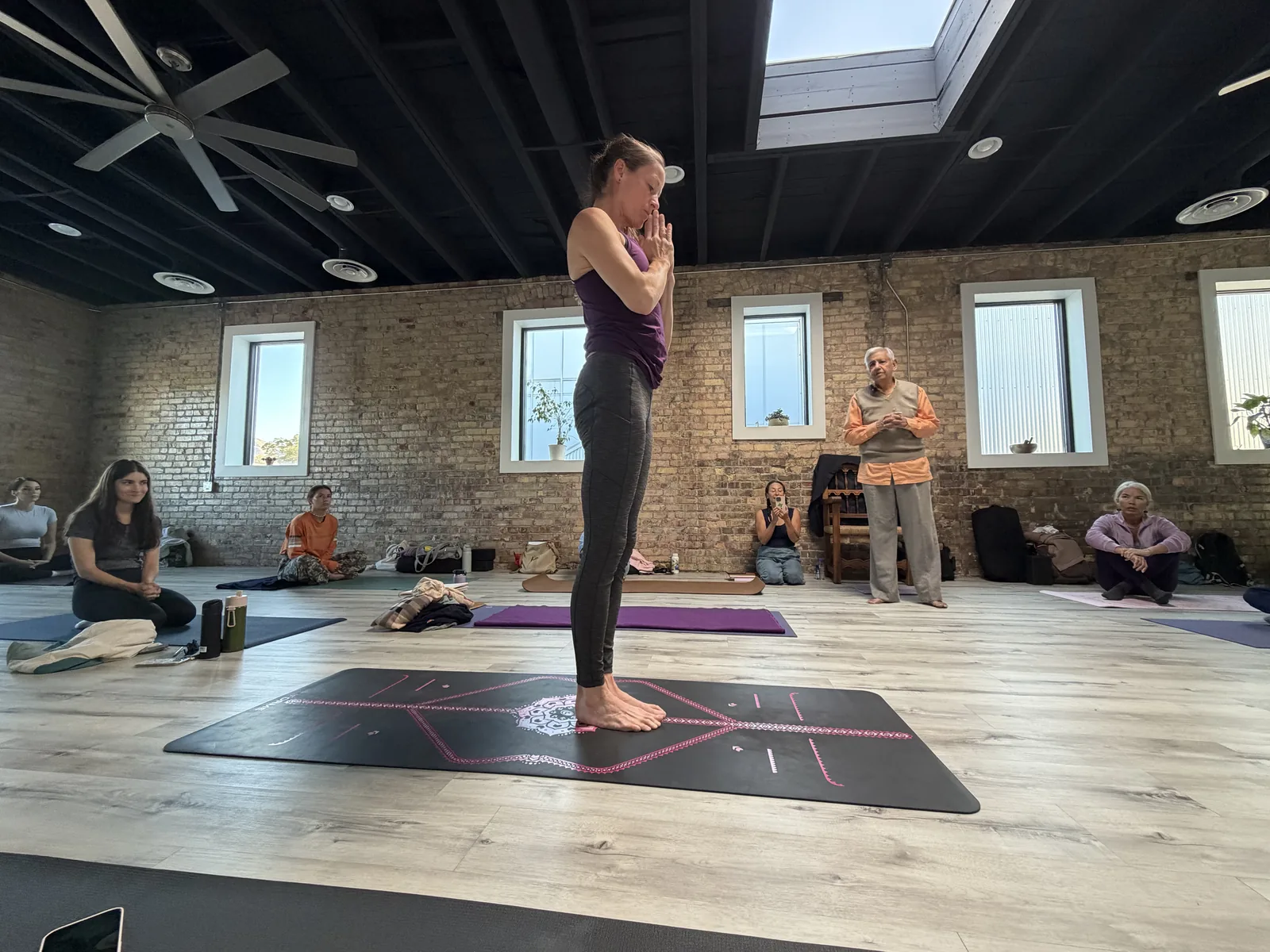
Salt Lake City · September 2025
What is Vinyasa Krama?
Vinyasa Krama, in brief.
Vinyasa Krama is the method of practice that comes down from Sri T. Krishnamacharya: postures linked to the breath and arranged in sequences, so that each movement prepares the next. Srivatsa Ramaswami, his student for more than thirty years, taught it here in Salt Lake City in 2025.
YogaSoul teaches in both lineages, Ashtanga and Vinyasa Krama. If you want to keep studying with teachers who carry them, the 200-Hour Teacher Training and 300-Hour Advanced Training begin February 5, 2027, in Salt Lake City.
What took place
The tradition,
studied at its source.
Sixty hours of āsana across more than a hundred subroutines and five hundred vinyasas, with prāṇāyāma, mudrā, dhāraṇā and mantra woven through. Forty hours of philosophy: the Sāṃkhya Kārikā of Isvarakrishna and the Yoga Sūtras of Patañjali, read from Ramaswami’s own translations.
Mornings nine to twelve, afternoons half past one to half past four, over sixteen days with a single rest day. Enrollment was limited, and the program ran in person and online at once.
The teacher
Thirty years with
Krishnamacharya.
Srivatsa Ramaswami studied directly with Sri T. Krishnamacharya for more than thirty years in Chennai, longer than any other student, Western or Indian, who has taught publicly in the West. He is the author of The Complete Book of Vinyasa Yoga, Yoga for the Three Stages of Life, and his own translation and commentary on the Yoga Sūtras.
Vinyasa Krama is a complete system rather than a style, and it survived only because it was handed down intact, one student to the next.
30+Years with Krishnamacharya
100Hours of study
500+Vinyasa sequences
Why it matters here
The lineage YogaSoul
actually carries.
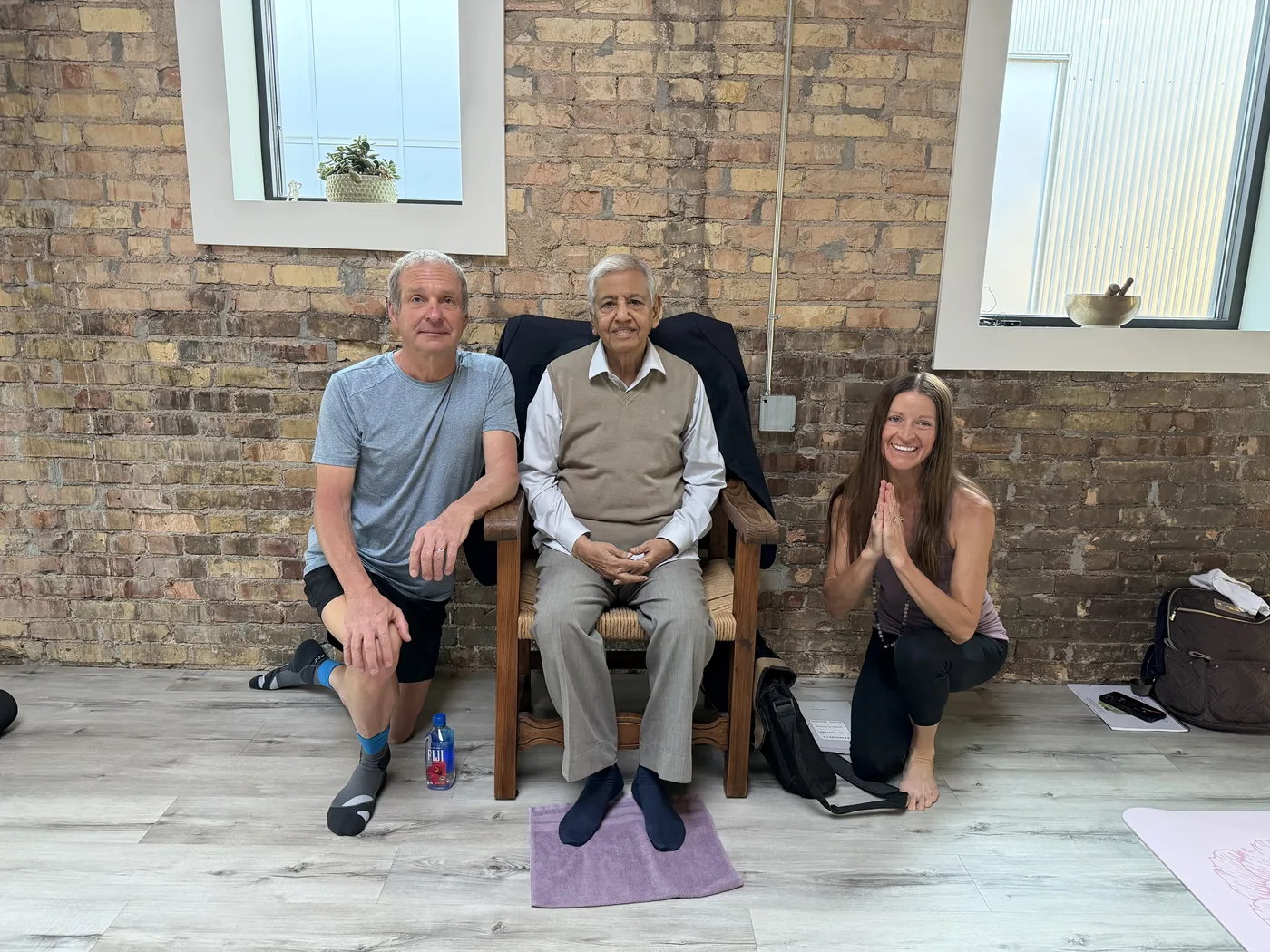
Rachel Cieslewicz and Eric Martin, co-founders of YogaSoul, have both studied Vinyasa Krama directly under Ramaswami and have his permission to teach it. Both are also authorized by Manju Jois to teach Ashtanga primary and second series.
YogaSoul’s lineage traces to Krishnamacharya through both founders. Hosting this intensive followed from how they were trained, and it is the same lineage the 200-Hour and 300-Hour programs are built on.
The program
Sixteen days,
one hundred hours.
60 hrsĀsana practice
40 hrsPhilosophy study
16 daysOne rest day
HybridIn person and online
Tuition was $2,498 for the full intensive, or $1,498 for the first eight days. Recorded here for reference; the program has concluded.
Vinyasa is not just a movement practice. It is a complete methodology connecting breath, body and mind in an unbroken lineage going back to Krishnamacharya. A lineage you only read about stays a fact that you know. It becomes a practice when someone who carries it is standing in front of you, and those weeks do not come around often. There is more depth in yoga than you have been able to reach.
YogaSoul
For the record
What this actually was.
What is Vinyasa Krama?
The traditional system taught by Krishnamacharya. Unlike contemporary vinyasa flow it is a complete methodology, linking breath, movement and posture across hundreds of sequences in a carefully ordered progression, from standing through seated to supine. It is not a style. It is a system.
What is the Sāṃkhya Kārikā?
Isvarakrishna’s text is one of the foundations of Indian philosophy, and it supplies the metaphysical framework underneath the Yoga Sūtras: the dual understanding of purusha, consciousness, and prakriti, nature. Studying it directly with Ramaswami, in his own translation, is rare.
Why does the lineage matter?
Vinyasa Krama survived only because it was handed down intact, one student to the next. A tradition that cannot name its teachers is a curriculum rather than a lineage, and this is the difference our 200-Hour and 300-Hour programs are built on.
His books
The Complete Book of Vinyasa Yoga, Yoga for the Three Stages of Life, and his own translation and commentary on the Yoga Sūtras. The Sāṃkhya Kārikā translation was the text for the afternoon sessions.
Was it recorded?
Sessions ran in person in Salt Lake City and online at the same time, so practitioners who could not travel were able to take part.
Will he return?
We hope so. We announce intensives and visiting teachers, such as Anjali Deva’s Ayurveda weekend, to our own community first, so write to us if you would like to hear about the next one before it is public.
Who you become
Someone who can name
their teacher’s teacher.
You stop taking the practice on trust and start knowing where it came from, which changes how you teach it and how you answer for it when a student asks you directly.
Where this goes next
Three steps. The first is an email.
1
Write to us
Tell us you understand how important lineage is for correct knowledge. We keep a short list of people who want to know before anyone else does.
2
We tell you first
Visiting teachers and intensives go to our own community before they are announced anywhere public.
3
Or begin now
The 200-Hour and 300-Hour carry this same lineage, and they run every year.
Also at YogaSoul
Where the lineage continues.
Teacher Training
Rachel has trained teachers for twenty-five years. Two certification levels, small by design.
Greece 2027
Two retreats in May 2027, five days apart, so you may join one or both.
Yoga Therapy
One-to-one sessions built around your history, your moments, and your body.
Shala Classes
Small-group practice at Rachel’s shala in East Millcreek, twice a week. Email us to learn about times.
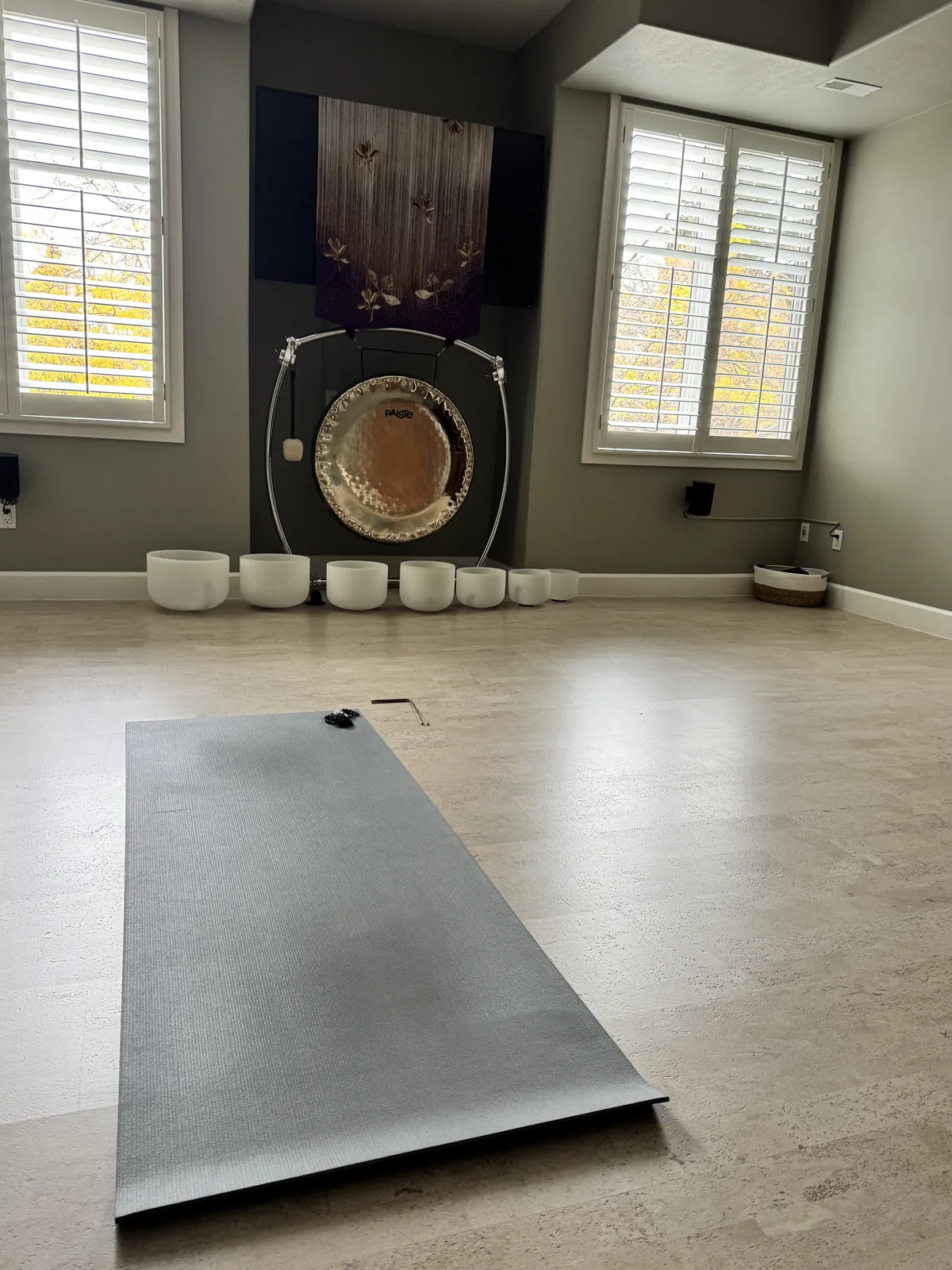
There is more depth in yoga than you have been able to reach.
The lineage continues.
Your next step is here.
The 200-Hour and 300-Hour trainings are grounded in the same lineage-based, breath-centered philosophy that shaped this intensive. If studying with Ramaswami sparked something, this is where to take it.