A guide to certificationThere is more depth in yoga than you have been able to reach.Updated September 2026

A guide · World Yoga Federation vs Yoga AllianceCertification, registry, license.
Three different things.

You are comparing teacher trainings and one says World Yoga Federation while another says Yoga Alliance. It is fair to wonder whether one of them is the real thing and the other is not. This guide explains what each organization is, what it costs you, and what it means when you go to get insured and hired.

Our trainings certify through the World Yoga Federation, so we have a stake in this. We wrote it to be accurate about both.

By Rachel Cieslewicz, C-IAYT25+ years training teachersUpdated September 2026
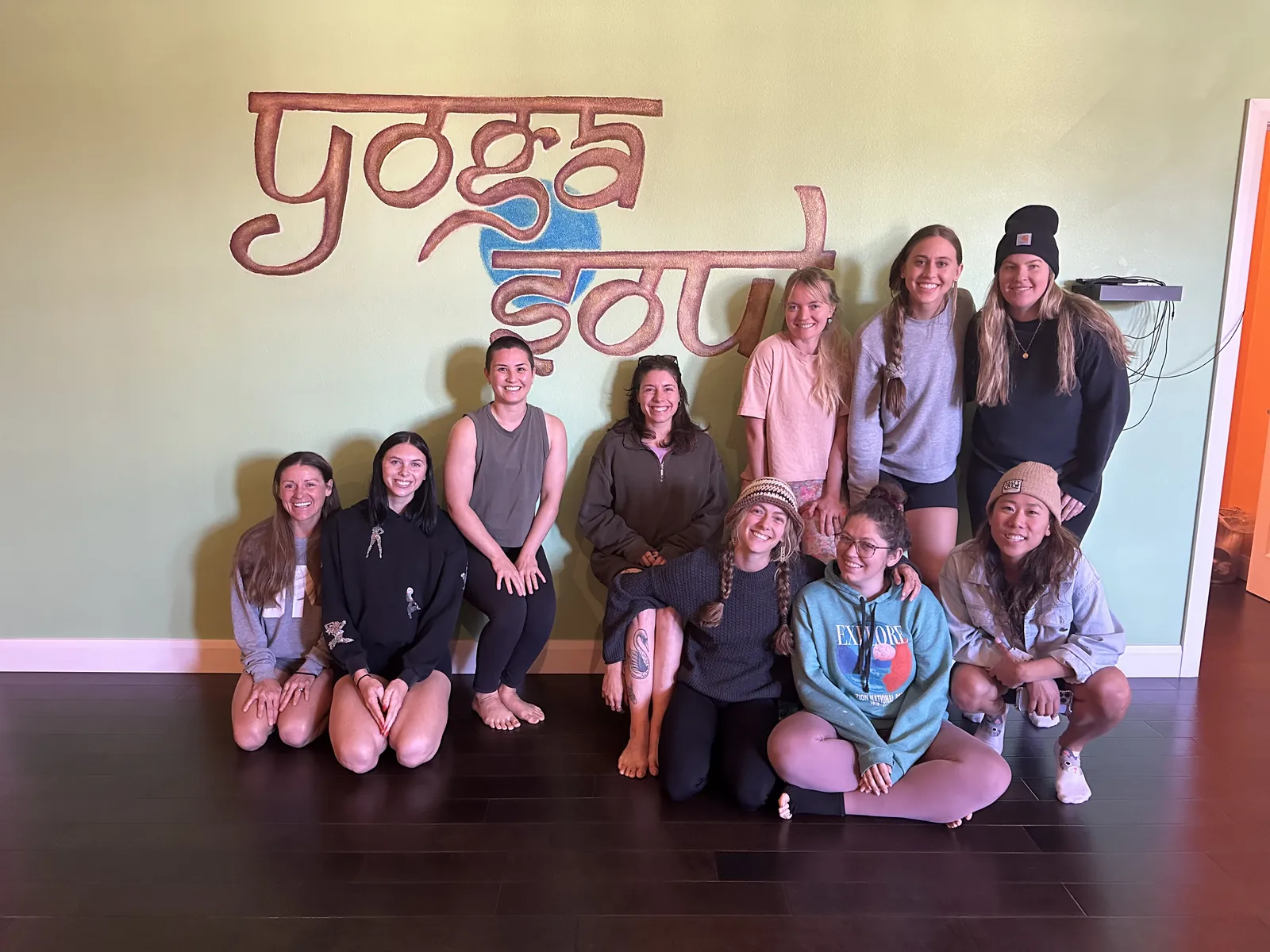
A graduating YogaSoul teacher training cohort in front of the YogaSoul sign
A graduating cohort · Salt Lake City

01 · The short answer

They are not two versions
of the same thing.

Most of the confusion comes from three words that get used as if they meant the same thing. They do not.

The three words

  • Certification says you completed a particular training. Your school issues it, sometimes through a certifying body such as the World Yoga Federation.
  • Registration says you meet a registry’s standards and remain listed with it. Yoga Alliance is a registry.
  • Licensing is permission from a government to practice a profession. In the United States, yoga teachers are not licensed by the state, and Utah does not require a license to teach yoga.

What that means for you

  • Neither organization is a government license, and neither is an accreditation in the way a university is accredited.
  • Both are voluntary. No law requires you to hold either one to teach.
  • They are separate systems. One does not transfer into the other, in either direction.
  • What matters most day to day is what the places you want to teach, and the insurer you choose, ask for.

02 · Yoga Alliance

A US nonprofit
that keeps a registry.

Yoga Alliance was formed in 1999 as a member-based nonprofit. In its own words, it introduced a voluntary registry for yoga schools and teachers.

Schools that meet its standards can list as Registered Yoga Schools (RYS), at the 200, 300 and 500-hour levels and for some specialties. Teachers who complete a training at a Registered Yoga School can apply to be listed as Registered Yoga Teachers, such as RYT-200.

Yoga Alliance does not issue your teacher training certificate. Your school does. When a teacher applies to register, Yoga Alliance checks that certificate against the sample the school keeps on file. The registry has been described as a listing of teachers who meet its requirements rather than a certification program, which is an accurate way to think about it.

What registration involves

Registration is a membership. As published on Yoga Alliance’s site in September 2026, a teacher pays a one-time $50 application fee and $65 a year in membership dues. A school pays a one-time $400 application fee and $240 a year for each credential it holds. Staying listed also means keeping up with continuing education and agreeing to its ethical commitment.

Members get a directory listing and member benefits, including access to an insurance program run with a partner insurer.

Many studios know the RYT designation well, and some ask for it by name. That is a real reason people choose a registered school, and a fair one.

03 · World Yoga Federation

An international body
that certifies.

The World Yoga Federation is an India-based international organization founded by Swami Vidyanand. It describes its work as international certification, recognition and registration for yoga teachers, schools and studios.

It certifies teachers and schools at several levels, and it awards senior titles such as Grandmaster to experienced teachers. It says it welcomes yogis of every tradition, which means it does not require one particular style.

As with any credential, a World Yoga Federation certificate tells you a school met its requirements. It does not tell you who actually taught you or how well. That part you judge by asking the school directly.

What it looks like at YogaSoul

When you complete YogaSoul’s 200-Hour Training, you receive a World Yoga Federation 200-Hour certification. The 300-Hour Advanced Training leads to a World Yoga Federation 300-Hour certification and gives you credit toward a 500-Hour designation.

The certificate is included in tuition. Rachel Cieslewicz, who leads both trainings, is a World Yoga Federation Grandmaster.

A name to watch for. Yoga Alliance International is a different organization from Yoga Alliance, the US nonprofit. It is associated with the World Yoga Federation’s founder. If a school says “Yoga Alliance,” it is worth asking which one they mean.

04 · Side by side

World Yoga Federation vs Yoga Alliance,
line by line.

A quick way to see the difference. Fees change, so check each organization’s own site before you rely on a number.

World Yoga FederationYoga Alliance
What it isAn international certifying organization for teachers, schools and studiosA voluntary registry and membership association for schools and teachers
Who runs itAn India-based organization founded by Swami VidyanandA US nonprofit, formed in 1999
What you getA certification at the level you trained to, issued through a certified schoolA listing as a Registered Yoga Teacher, after training at a Registered Yoga School and applying
Cost to youAt YogaSoul, included in tuition$50 to apply and $65 a year to stay listed, for teachers
To keep itYour certificate records a completed trainingAnnual dues, continuing education and its ethical commitment
Government licenseNoNo
AccreditationNo. It is a certificationNo. It is a registry
How employers see itPlaces that ask for a completed 200-hour training accept it. Studios that ask for RYT by name are asking for the other systemWidely recognized by name. Some studios ask for it, many do not
InsuranceIndependent insurers generally ask for a completed or in-progress training, not a particular registryThe same independent insurers, plus a members-only partner program
Yoga Alliance fees as published on yogaalliance.org, September 2026.

05 · Getting insured and hired

Do you need Yoga Alliance
to teach yoga?

No. What you do need is a good training, liability insurance, and a place that wants you in front of its students. Here is how each of those works.

Licensing

There is no state license for yoga teachers in Utah, and yoga teaching is not a state-licensed profession in the United States. Nobody will ask you for a government license to lead a class.

Insurance

Studios and gyms often ask teachers to carry their own liability insurance, and some ask for current CPR certification too. Independent yoga insurers generally ask that you have completed a teacher training, or are enrolled in one. The ones we checked do not require Yoga Alliance registration.

Some insurance programs are a benefit of membership in a particular organization, and those do require membership. Yoga Alliance’s partner program is one of them. That is a feature of that program, not a rule for teaching.

Hiring

Most places that hire yoga teachers expect a completed 200-hour training. Beyond that, practice varies. Some studios ask for Yoga Alliance registration by name. Many others hire on an audition, on experience, and on how you actually teach a room.

Gyms, community and recreation centers, and workplaces tend to ask for proof of training, insurance and sometimes CPR. Private clients mostly ask whether they like your teaching.

The simplest step is to ask the places you hope to teach what they require, before you choose a training. If one asks for Yoga Alliance by name, that is useful to know early. For more on starting out, see our guide to yoga teacher training in Utah.

06 · Which should you choose?

Choose the training first.
The paperwork follows it.

Both systems have graduates teaching good classes. The certificate on the wall matters less than who taught you, how many people shared the room, and how often you taught before you finished.

A Yoga Alliance registered school may suit you if

  • A studio you already have in mind asks for RYT by name
  • You want to be listed in Yoga Alliance’s directory
  • You value its member benefits and are happy to pay annual dues
  • The registered school near you is also the best training for you

A World Yoga Federation certified school may suit you if

  • The training itself, its teacher and lineage, is what drew you
  • The places you want to teach ask for a completed training, not a registry
  • You would rather not carry annual registry dues
  • You want a certification that is included in your tuition

Whichever you are leaning toward, ask every school the same questions. We keep a list of seven questions to ask any teacher training, including ours.

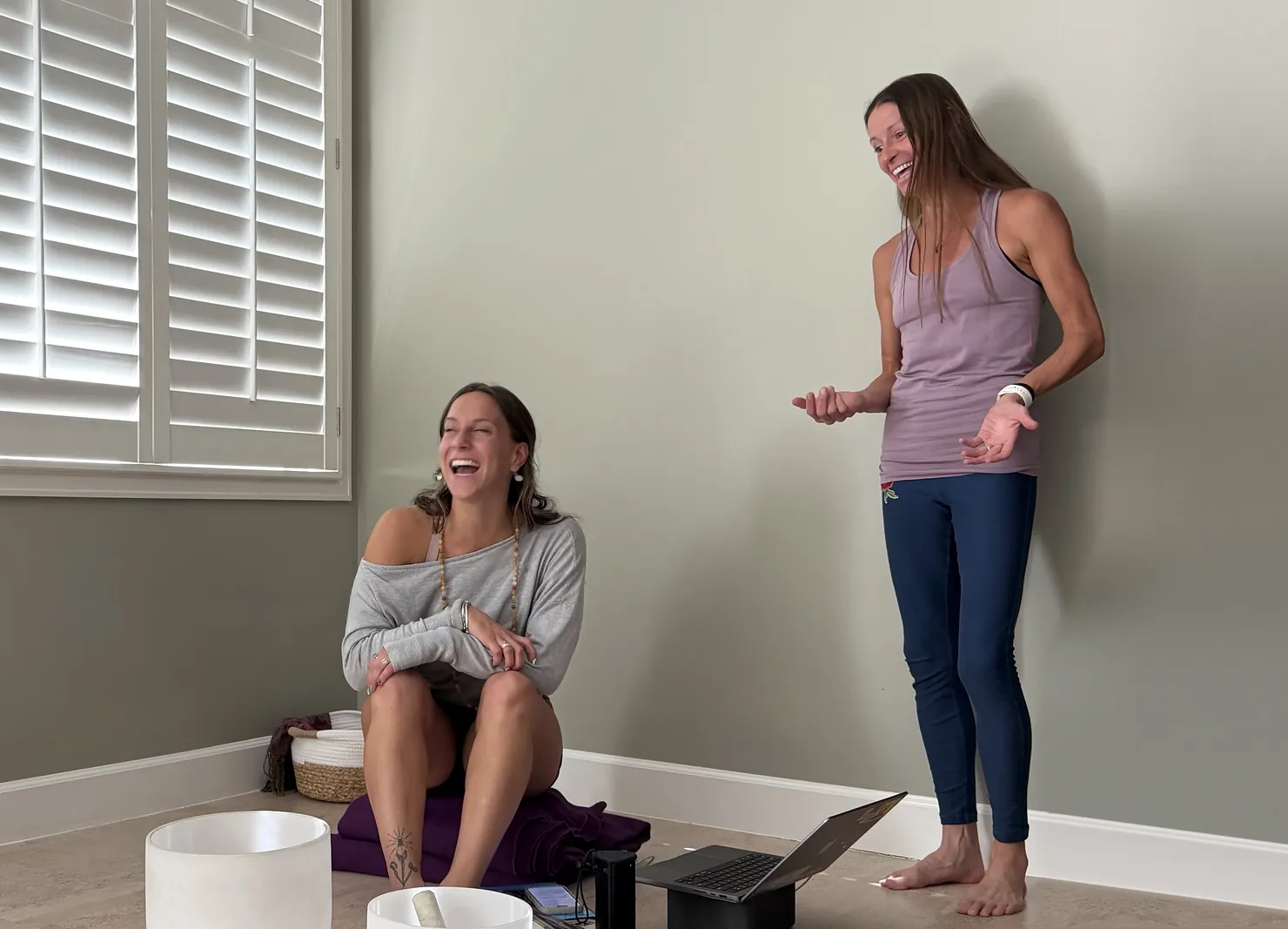
Rachel Cieslewicz coaching a new teacher at the YogaSoul shala

07 · Our position

Why we certify through
the World Yoga Federation.

We are a small school in Salt Lake City, and our teacher training began in 2013. We certify through the World Yoga Federation, and we are not registered with Yoga Alliance. That is a choice we made, and here is how we see it.

What we teach comes through lineage. Rachel and Eric are both authorized to teach Ashtanga primary and second series, through Manju Jois, and both studied Vinyasa Krama with Srivatsa Ramaswami. A certifying body that welcomes every tradition fits a school built that way.

Yoga Alliance is a registry, not an accreditation. Our graduates get insured and get hired to teach. The two systems are separate: a World Yoga Federation certificate does not qualify you to register with Yoga Alliance, just as a Yoga Alliance registration does not earn you a World Yoga Federation certification.

We respect the schools and teachers who register, and plenty of good teachers do. If a studio you hope to teach at asks for Yoga Alliance by name, write to Rachel before you enroll and she will give you a straight answer.

300+Teachers trained
25+Years training teachers
2013YogaSoul founded

Still deciding

Questions people ask first.

Is the World Yoga Federation legit?

It is a real international organization that certifies yoga teachers, schools and studios, founded by Swami Vidyanand and based in India. Like Yoga Alliance, it is not a government license or an accreditation. Its certificate says you completed a training at a certified school. How good that training was depends on the school, so ask who teaches and how many people share the room.

Do I need Yoga Alliance to teach yoga?

No. Registration with Yoga Alliance is voluntary, and there is no state license for yoga teachers in Utah. Most places that hire expect a completed 200-hour training. Some studios ask for Yoga Alliance by name and many do not, so ask the places you hope to teach.

Can I get yoga teacher insurance without Yoga Alliance?

Yes. Independent yoga insurers generally ask that you have completed or are enrolled in a teacher training, not that you belong to a registry. Some insurance programs are a benefit of membership in a particular organization, and those require membership.

Is Yoga Alliance an accreditation?

No. Yoga Alliance describes its credentials as a voluntary registry. Your certificate comes from the school where you trained, and Yoga Alliance lists teachers who trained at schools it has registered.

Can a World Yoga Federation graduate register with Yoga Alliance?

A World Yoga Federation certificate does not qualify you to register with Yoga Alliance, just as a Yoga Alliance registration does not earn you a World Yoga Federation certification. They are separate systems.

Is Yoga Alliance International the same as Yoga Alliance?

No. Yoga Alliance is the US nonprofit formed in 1999. Yoga Alliance International is a separate organization associated with the World Yoga Federation’s founder. If a school mentions Yoga Alliance, ask which one.

Is YogaSoul’s training registered with Yoga Alliance?

No. Both of YogaSoul’s trainings are certified by the World Yoga Federation, and the certificate is included in tuition. Our graduates get insured and get hired to teach. If a studio you have in mind asks for Yoga Alliance by name, write to Rachel before you enroll.

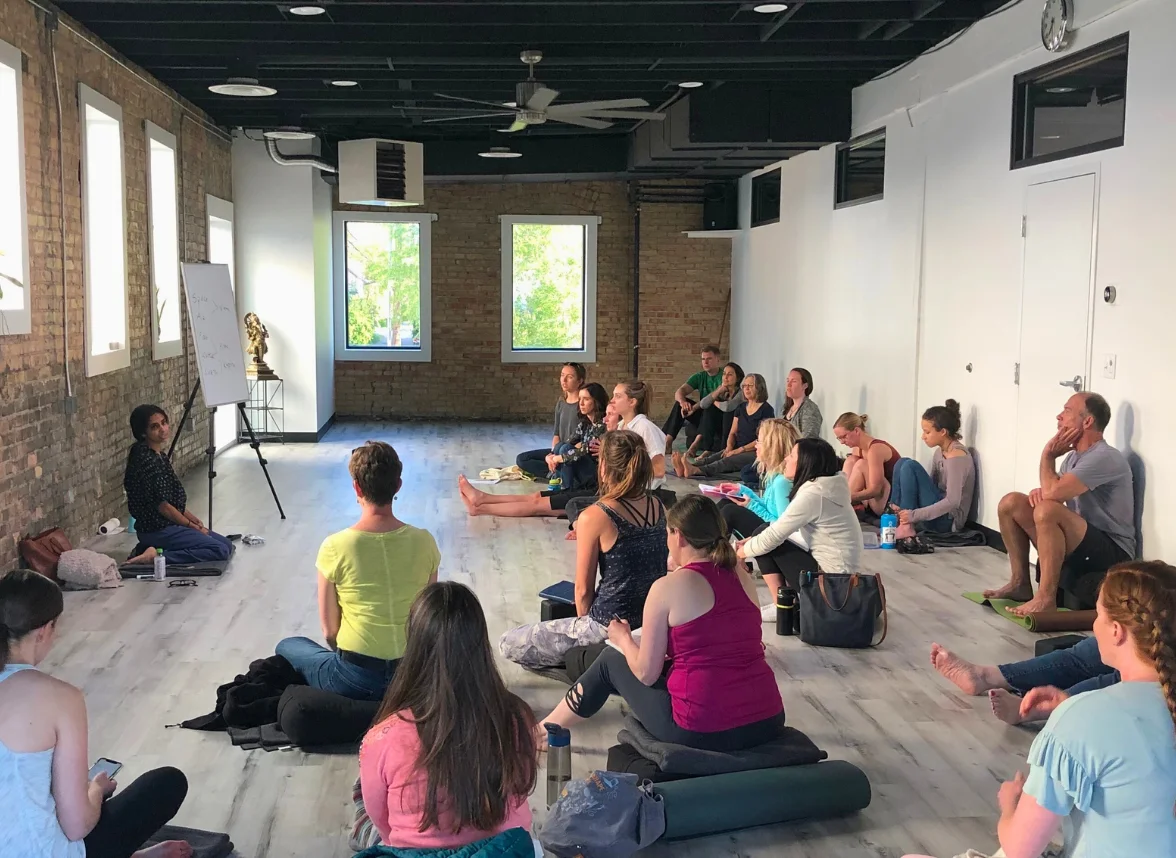
A teacher training in session at the YogaSoul studio in Salt Lake City

The certificate follows the training.
Start with the training.

The 200-Hour is where most people begin, and the 300-Hour is for teachers who already hold a 200-hour from any school. Both start February 5, 2027, in person in Salt Lake City. If you have a question about certification, write to Rachel. She reads every email herself.

Stay Connected

Keep the practice moving,
even between visits.

Retreat announcements, teacher training updates, workshop invites, and practice inspiration, straight to your inbox. No noise. Just the good stuff.

The next retreat could be one you experience, or one you hear about after it fills.

Rachel and Eric write it. Not a marketing team, not a scheduler. Rachel has been formally teaching and studying for 28+ years and training teachers for 25+, and most of what goes out is whatever she is actually working through that month, plus first word on retreats and cohort openings before they are posted anywhere.

28+ Years Formal Teaching and Studying 300+ Teachers Trained WYF Certified School

One email at a time, from an address you can reply to.

This site is protected by reCAPTCHA and the Google Privacy Policy and Terms of Service apply.